People · St. John's, Newfoundland and Labrador
Published
The St. John’s Regatta: fixed-seat rowing and a place for new crews
The Royal St. John’s Regatta uses fixed-seat rowing on Quidi Vidi Lake, with six regular rowers and a certified coxswain per crew. Ukrainian crews featured in 2026 participation. Ask about the next seasonal Learn to Row programme rather than assume summer bookings continue in October.
Facts checked
In this story
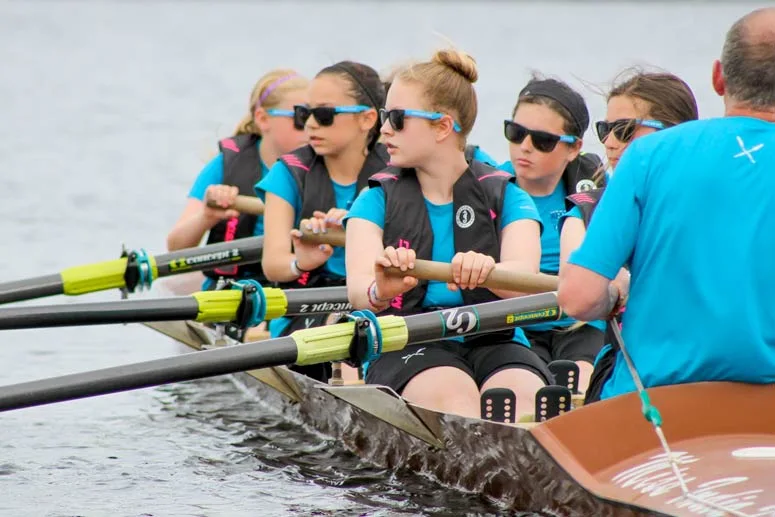
A local tradition has room for someone new
A tradition does not become less local because someone new learns how to do it. At the Royal St. John’s Regatta, the work of joining is quite literal: find a crew, learn the stroke and turn up when the other people in the boat depend on you. In 2026, two Ukrainian crews became part of that preparation.
July reporting described them getting ready for the summer event, and official race material includes UNF Avalon. This is a story from the past season, not an October invitation to an upcoming August race. Its interest is in who becomes part of a familiar public day, and the quieter work that participation involves.
For someone arriving with a different rowing background, local fixed-seat racing is something specific to learn. The Regatta is not simply a generic rowing event with a new view. Quidi Vidi Lake, its turning course and a regular crew make it a local practice as well as a celebration.
Source: July 2026 Ukrainian crews report
Source: 2026 Royal St Johns Regatta crew schedule
Source: Royal St Johns Regatta FAQ for rowers
Six rowers have to return together
The Royal St. John’s Regatta is fixed-seat rowing on Quidi Vidi Lake, where the course includes a turn rather than simply a straight race to a distant finish. The full course measures 2.45 kilometres and the half course 1.225 kilometres, with crews rounding designated buoys before returning.
The organisation requires six regular rowers and a certified coxswain. A spare and coach are useful rather than compulsory. Those details describe a shared commitment more clearly than a broad statement about community: one person’s attendance helps everyone else practise. Work, family and a new routine still have to make room for the boat.
Local contributors welcomed more competition and new participation. Others questioned people of Ukrainian background taking part while war continued, prompting a challenge about whether critics knew when the rowers had arrived. No individual migration history, service status or private obligation is established here. Nationality cannot supply that missing biography, and the mixed reaction should not be turned into a private story about people who did not provide one.
Source: Royal St. John’s Regatta: the full and half courses
Source: Royal St Johns Regatta FAQ for rowers
Source: Ukrainian crews local discussion
The way into the next season
The official FAQ describes a free Learn to Row programme and crew-finding help through the technical coordinator and boathouse notices. Practice requires the applicable registration, waivers, fees and screening; a coxswain has separate age and training conditions. Ask about the next seasonal intake rather than assuming summer boat access continues in autumn.
No medal result needs inventing to make the 2026 participation matter. The public day begins much earlier, with learning and repeated practice, and that is where a new crew starts belonging to it. Long-time residents bring years of weather stories and Regatta routines. New rowers bring the commitment to learn them. The lake and the form of the race remain familiar while the people making the next start can change.
Source: Royal St Johns Regatta FAQ for rowers
Source: Regatta weather conversation, August 2024
Source: Ukrainian crews local discussion
Questions people ask
How can a new rower find a Regatta crew?
The official FAQ recommends the technical coordinator, boathouse notices and current community information to help people find crews and other rowers.
Source: Royal St Johns Regatta FAQ for rowers
What must a crew submit before booking a Regatta practice?
The FAQ requires registration, waivers, fees and Vulnerable Sector Screening where applicable before a crew books a spin.
Source: Royal St Johns Regatta FAQ for rowers
What makes the Regatta’s course different from a straight rowing race?
Crews turn around designated buoys on Quidi Vidi Lake before returning. The full course is 2.45 km and the half course 1.225 km.
Source: Royal St. John’s Regatta: the full and half courses
How many regular rowers are needed?
A crew needs six regular rowers and a certified coxswain, according to the official FAQ.
Source: Royal St Johns Regatta FAQ for rowers
Is a spare rower required?
The FAQ describes a spare as useful rather than compulsory, helping when a regular rower cannot attend.
Source: Royal St Johns Regatta FAQ for rowers
Is there a beginner programme?
The organisation describes a free Learn to Row programme. Ask about the next seasonal intake instead of assuming an immediate boat session.
Source: Royal St Johns Regatta FAQ for rowers
What are the Regatta’s June Day Races?
June Day Races are practice races near the end of June, offering experience before Time Trials and Regatta Day. Check the next season’s dates.
Source: Royal St Johns Regatta FAQ for rowers
What if my Regatta crew does not have a coxswain?
The FAQ says a technical coordinator may help with practice or finding a coxswain, subject to availability.
Source: Royal St Johns Regatta FAQ for rowers
How old must a Regatta coxswain be?
A coxswain must be nineteen by December 31 of the event year and complete the required Learn to Coxswain programme.
Source: Royal St Johns Regatta FAQ for rowers
Can I row with more than one Regatta crew?
The FAQ permits a rower or spare to register and row with only one crew, rather than compete for several.
Something changed? Tell us about a correction.